
Many people experience neck pain at some point in their lives, whether from sitting at a desk for extended periods, poor sleeping posture, or the stresses of daily activities. Finding relief without relying solely on medication is a goal for those seeking a more natural approach to wellness. Fortunately, a combination of gentle stretches and relaxation methods can offer considerable comfort and help restore ease of movement. By understanding the underlying causes and exploring simple home remedies, individuals can take proactive steps towards alleviating discomfort and improving their overall quality of life.
- Neck pain is frequently caused by poor posture, muscle strain from daily habits, or stress-induced tension.
- Identifying the specific trigger for neck discomfort is essential for determining the most effective course of action.
- Gentle physical exercises, such as neck tilts and rotations, help lengthen tight muscles and improve overall flexibility.
- Establishing a consistent daily stretching routine can prevent muscle stiffness and promote long-term spinal health.
- Relaxation techniques like deep breathing and meditation complement physical stretches by calming the nervous system and reducing stress.
- Home remedies are effective for mild discomfort, but professional medical attention is required if pain persists or involves symptoms like numbness or radiating pain.
Understanding neck pain and its common causes
Neck pain is a widespread issue that can stem from a variety of factors. Poor posture is one of the most frequent culprits, particularly for those who spend long hours hunched over computers or mobile devices. This sustained awkward positioning places undue stress on the cervical spine and surrounding muscles, leading to stiffness and soreness. Muscle strain is another common cause, often resulting from sudden movements, carrying heavy bags on one shoulder, or even sleeping in an uncomfortable position. In some cases, neck pain may arise from an injury such as whiplash or from underlying health conditions that affect the musculoskeletal system. Recognising the source of discomfort is an essential first step in determining the most appropriate course of action.
What triggers neck discomfort in daily life
Daily habits and routines can significantly influence the health of the neck. Spending prolonged periods seated without adequate support or taking breaks can contribute to muscle tension and inflammation. Stress is another notable trigger, as it often causes individuals to unconsciously tense their shoulders and neck muscles. Even seemingly minor factors, such as exposure to cold drafts or wind, can exacerbate existing discomfort by tightening the muscles further. Understanding these triggers allows individuals to make small adjustments in their environment and behaviour, which can lead to meaningful improvements in their overall comfort and well-being.
Recognising when home remedies are appropriate
While natural remedies can be highly effective for mild to moderate neck pain, it is important to recognise when professional advice is necessary. Home treatments are generally suitable for discomfort that arises from muscle strain, poor posture, or temporary stress. If the pain persists beyond a few days, worsens over time, or is accompanied by severe symptoms such as numbness, tingling, or radiating pain down the arms, consulting a healthcare professional is essential. Chronic pain or discomfort following an injury may require specialised care, including chiropractic care, physiotherapy, or other complementary therapy options. Being mindful of these signs ensures that individuals seek appropriate support when needed and avoid potential complications.
Gentle stretching exercises to relieve neck tension
Incorporating gentle exercises into a daily routine can significantly ease neck tension and improve flexibility. Stretching helps to lengthen tight muscles, increase blood flow, and promote relaxation. One effective technique involves gently tilting the head towards one shoulder and holding the position for a few seconds before switching to the other side. This simple movement can be repeated several times throughout the day to maintain suppleness. Another beneficial exercise is the head rotation, where the chin is slowly turned towards one shoulder and then the other, allowing the muscles to stretch and release built-up tension. These movements should always be performed with care, ensuring that there is no sharp pain or discomfort during the process.
Simple Neck Tilts and Rotations for Flexibility
Neck tilts and rotations are among the most accessible gentle exercises for relieving stiffness. To perform a neck tilt, sit or stand in a comfortable position with the shoulders relaxed. Gradually bring one ear towards the corresponding shoulder, feeling a gentle stretch along the opposite side of the neck. Hold this position for several breaths before returning to the centre and repeating on the other side. For neck rotations, slowly turn the head to look over one shoulder, keeping the movement smooth and controlled. These exercises can be done at a desk, during a break, or even while watching television, making them easy to integrate into any routine. Consistency is key, as regular practice helps to maintain muscle flexibility and reduce the likelihood of tension building up over time.
Incorporating daily stretching routines safely
Establishing a daily stretching routine is an effective way to prevent neck pain and promote long-term wellness. It is advisable to set aside a few minutes each morning and evening to perform these gentle exercises, ensuring that the movements are deliberate and never forced. Listening to the body is crucial, as overstretching or pushing through pain can lead to further injury. Combining neck stretches with other relaxation practices, such as deep breathing or meditation, can enhance the overall benefit by reducing stress and promoting a sense of calm. For those new to stretching, starting slowly and gradually increasing the duration and intensity of the exercises can help build confidence and prevent strain. Over time, these routines become second nature and contribute to improved posture and reduced muscle tension.
Natural relaxation methods and heat therapy
Beyond physical exercises, natural relaxation methods and heat therapy offer additional avenues for soothing neck discomfort. Relaxation techniques such as deep breathing, meditation, and yoga can help to relieve muscle tension by calming the nervous system and reducing stress levels. These practices encourage a mindful approach to managing pain and can be particularly beneficial for those whose neck discomfort is exacerbated by anxiety or emotional strain. Heat therapy is another highly effective remedy, as applying warmth to the affected area improves blood circulation and helps to relax stiff muscles. A warm compress or towel soaked in hot water can be placed on the neck for around 15 to 20 minutes, providing immediate relief and comfort.
Using warm compresses to ease muscle stiffness
Warm compresses are a simple yet powerful tool for managing neck pain at home. The application of heat encourages blood flow to the area, which aids in the delivery of oxygen and nutrients to tired muscles while also facilitating the removal of waste products. To create a warm compress, soak a clean cloth in warm water, wring out the excess, and gently place it on the neck. For added therapeutic benefit, some individuals choose to infuse the water with Epsom salt or ginger, both of which have properties that can further soothe inflammation and promote relaxation. It is important to ensure that the compress is warm and not excessively hot, as extreme heat can cause burns or additional irritation. This remedy can be repeated several times a day as needed, offering a comforting ritual that addresses both the physical and emotional aspects of pain relief.
Aromatherapy with Essential Oils for Soothing Relief
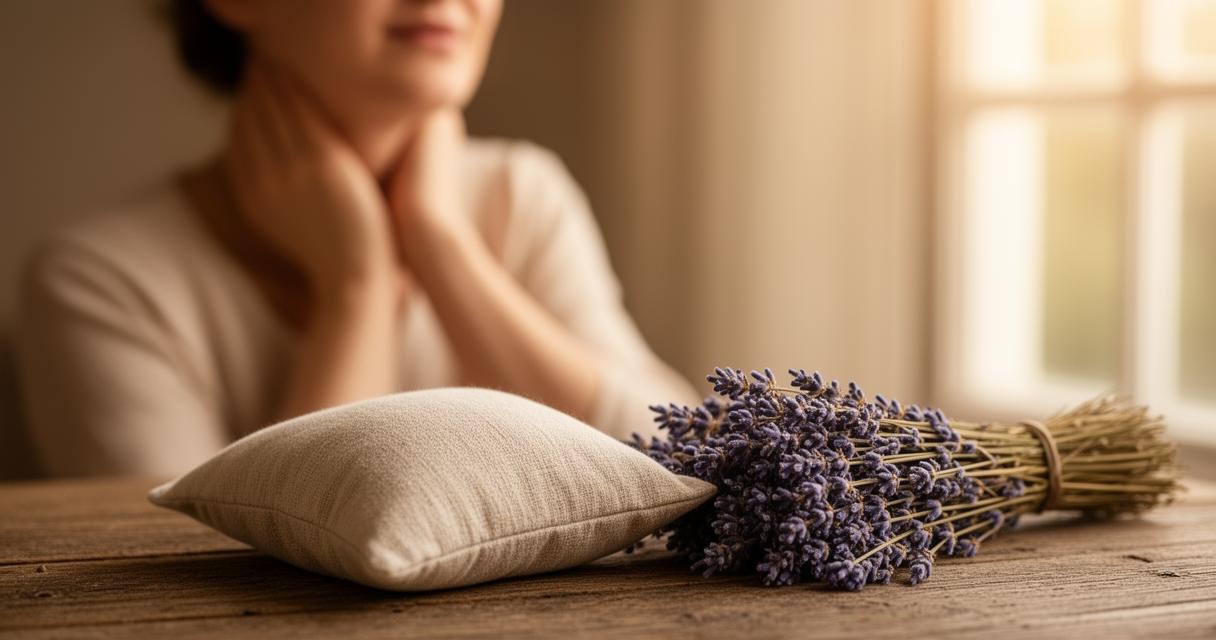
Aromatherapy is another natural approach that can complement other home remedies for neck pain. Essential oils such as peppermint, lavender, and eucalyptus are known for their soothing and anti-inflammatory properties. When mixed with a carrier oil, these essences can be massaged into the neck and shoulders, providing a calming sensation and helping to ease muscle stiffness. Peppermint oil, in particular, offers a cooling effect that can reduce discomfort, while lavender promotes relaxation and stress reduction. The act of massage itself, combined with the aromatic benefits of the oils, creates a holistic experience that addresses both physical tension and mental strain. For those who enjoy creating a tranquil environment, using a diffuser with these oils can also contribute to an overall sense of well-being. As with any remedy, it is advisable to test a small amount on the skin first to ensure there is no adverse reaction, and to consult a healthcare professional if there are any concerns about allergies or sensitivities.
In addition to these natural solutions, maintaining good posture throughout the day is essential for preventing further strain on the neck. Being mindful of one's positioning, especially when working at a desk or using electronic devices, can make a significant difference in reducing the risk of muscle strain. Adjusting workspace ergonomics, such as the height of the computer screen and the position of the chair, helps to support a neutral spine and minimises unnecessary pressure on the neck. Dietary adjustments may also play a supportive role, with warming foods such as bone broth, garlic, and black sesame believed to nourish the body and promote healing. For those dealing with chronic pain or discomfort that does not respond to home treatments, seeking professional support from services such as acupuncture, chiropractic care, physiotherapy, or massage therapy can provide additional relief and guidance. A holistic care approach, which considers the physical, emotional, and lifestyle factors contributing to neck pain, offers the best chance for lasting improvement and a return to comfortable, pain-free movement.